
The 2026-27 Budget is pushing HKEX’s expansion in cross-border trading
Financial Secretary Paul Chan Mo-po’s measures include the Hong Kong Monetary Authority and CMU OmniClear studying updates to financial infrastructure across various asset classes
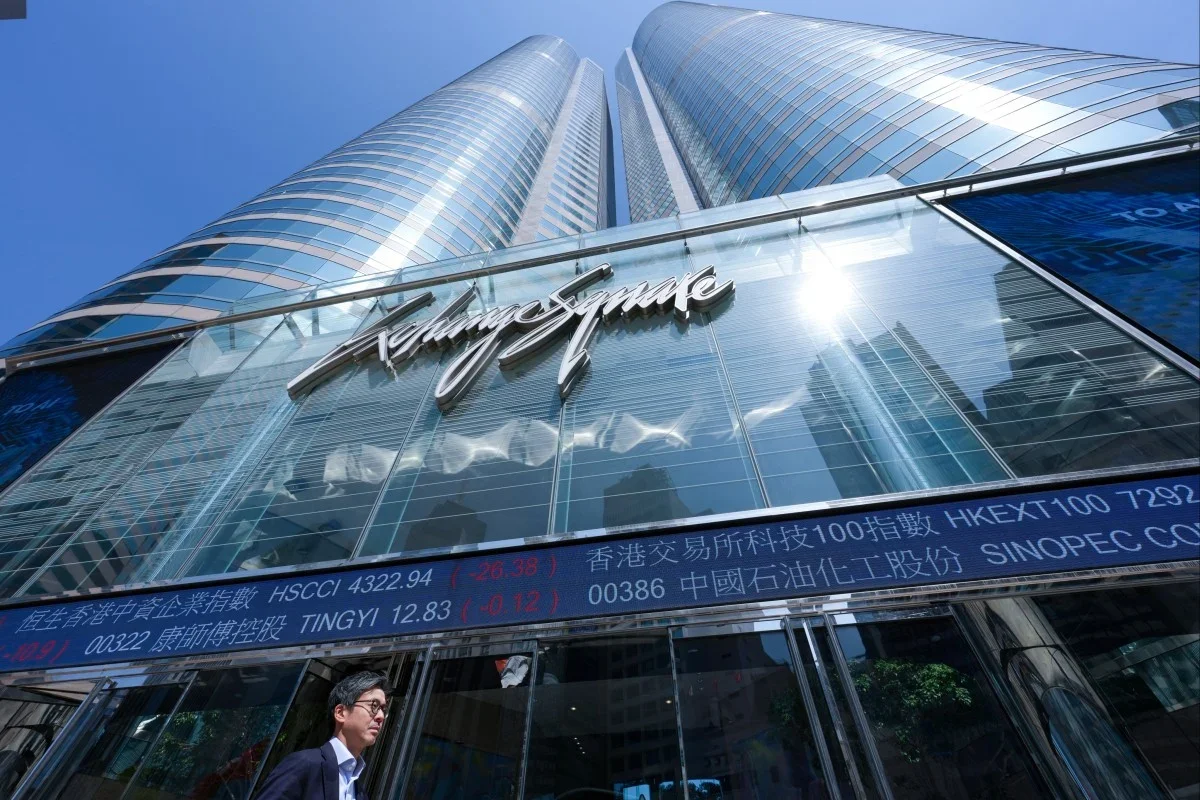
After a stand-out IPO year, Hong Kong Exchanges and Clearing Limited (HKEX) is betting that finessing the mechanics of a trade – the clearing, settlement and collateral – will keep issuers and investors of all kinds coming back.
At the heart of that bet is an ambitious plan to build what Financial Secretary Paul Chan Mo-po has called an infrastructure to “facilitate cross‑product and cross‑boundary collateral connectivity” between the mainland Chinese and Hong Kong markets.
Chan’s 2026-27 Budget, announced in February, set in motion a study by CMU OmniClear Holdings – a group convened by Hong Kong Monetary Authority (HKMA) – and HKEX. The aim is to create a single platform covering equity and debt securities from Hong Kong and the mainland, with cross-product and cross-boundary collateral connectivity, and links to global securities depositories.
CMU OmniClear, which has operated the Central Moneymarkets Unit (CMU) on behalf of the HKMA since 2025, initially signed a memorandum of understanding (MOU) with HKEX on post-trade infrastructure in March 2025.
In November, HKEX acquired a 20 per cent stake in CMU OmniClear, which further cemented the partnership as part of its push to deepen Hong Kong’s fixed-income and currencies ecosystem.
Stanley Chan, CEO of CMU OmniClear, says the firm has “begun the study on the establishment of a one-stop multi-asset class post-trade securities infrastructure to cover mainland and Hong Kong equity and debt securities” and would continue to expand the international connectivity of the CMU.
Taken together, the Budget, and statements from the HKMA and HKEX, offer an encouraging glimpse of where Hong Kong’s post-trade architecture is heading.
The enthusiasm for these changes is top-down. The HKMA and SFC’s Roadmap for the Development of Fixed Income and Currency Markets aims to position the city as a global hub for such vehicles, with next-generation infrastructure identified as one of its four main pillars. The planned changes, the gradual transformation of CMU into a multi-asset engine and HKEX’s equity stake in CMU OmniClear are all presented as part of that buildout.
For issuers and investors, this is not just about tidier infrastructure. Andrew Lam, managing director at BDO, says HKEX’s MOU with CMU OmniClear should “expedite the listing and trading activities on the exchange” once fully implemented – though concrete proposals and timelines are yet to be agreed.
Lam points to the Fast Interface for New Issuance (Fini) platform as an example of an earlier innovation that brought greater efficiency. HKEX says Fini “shortens the time between the pricing of an IPO and the trading of shares from five business days (T+5) to two business days (T+2), which greatly reduces the risk of pre-IPO price volatility and enhances overall market operational efficiency”. HKEX has also signalled that T+1 remains a longer-term goal, though its own discussion papers make clear that tighter timelines would require broader market automation and operational adjustment.
The South China Morning Post (SCMP) reported Fini’s launch in 2023, at a very different time for the HKEX with deals at a record low. That year 61 companies had listed for a total of HK$41.3 billion as of November 17, compared to HKEX’s 2025 figures as of December 19 of HK$274.6 billion from 106 new listings.
“Enhanced infrastructure [also] reduces the risks traditionally involved in cross-border securities trading,” says Lam. “This is evidenced by the rise in trading activities via Stock Connect over the years. This significant source of investor base has certainly made HKEX a more compelling listing destination for overseas issuers.”
“The integration of CMU OmniClear and HKEX,” he continues, “paves the way for the establishment of a multi-asset class platform that provides investors with one-stop access to equity and debt securities while facilitating efficient two-way investment flows between the Chinese mainland, Hong Kong and international markets.”
This has additional advantages for issuers pursuing HKEX as a secondary listing venue. Lam says the streamlined pathways have pushed advisers to adapt. “Overseas clients are increasingly reliant on us,” he explains, “as a one-stop professional resource for their long-term strategic growth in the Hong Kong and Chinese mainland capital markets, rather than as a one-off IPO service. Our advice will need to be delivered in an incisive manner and with a multimarket perspective across the clients’ home jurisdiction, Hong Kong and the Chinese mainland.”
Further reforms are planned around price discovery. In August 2025, HKEX concluded a consultation on optimising price discovery and open market requirements, proposing moves such as reducing the bookbuilding placing tranche requirement, and minimum public and free float requirements for issuers.
Lam says such improvements are producing “more market-aligned IPO pricing outcomes”, giving investors greater clarity and more broadly helping to moderate extreme demand in individual deals. These measures, combined with faster settlement and shorter lock-up periods for subscription funds, should support greater market liquidity and resilience.
HKEX has also been refining its listing framework. Weighted voting rights (WVR), introduced in 2018, allow innovative issuers to list with founder-held shares carrying up to 10 times the voting power of ordinary stock, while core safeguards – including lapse on transfer and one-share-one-vote treatment for certain key resolutions – remain in place. A consultation to refine these rights was launched in March this year.
Beyond these changes, Lam’s personal vision for a stronger HKEX includes these measures and more. He believes, for instance, that expanding the list of recognised overseas stock exchanges along with giving clearer guidance for secondary listings (Chapter 19C), and extending trading hours – perhaps even going as far as 24-hour trading – would widen the pool of international issuers and enhance liquidity, respectively.
He also suggests an IPO Connect: an expansion of the existing Stock Connect scheme to cover IPOs, which would allow mainland and Hong Kong investors to readily buy new listings across the border, while an OTC programme for delisted stocks would “provide an orderly trading venue to enhance market completeness and investor protection”.
Original article published on SCMP (June 29, 2026)
